5 Ways to Maximize Space in a 350-Square-Foot Apartment
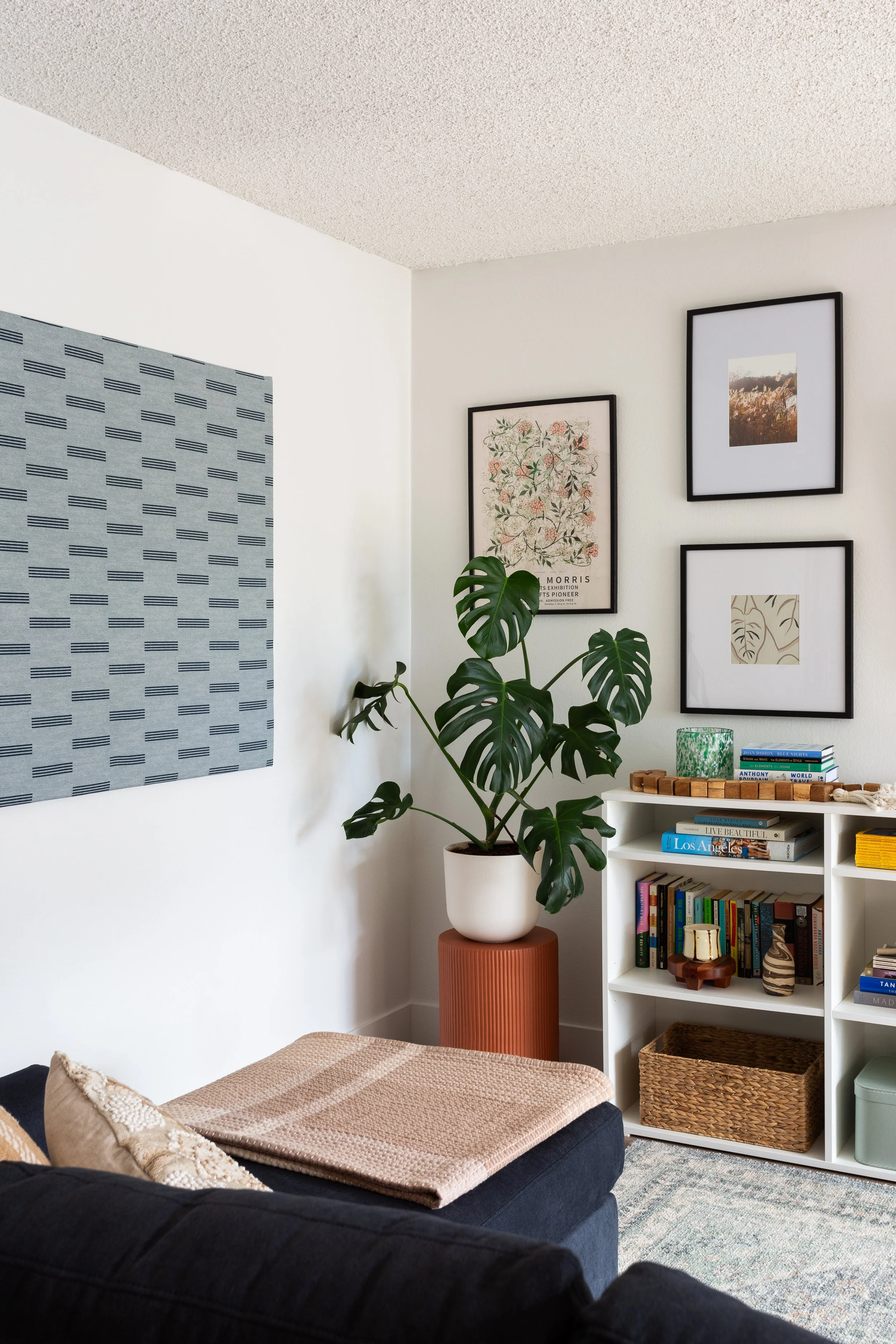
Photo by: Amy Bartlam; Styling By: Kelly Dawson
Small spaces force you to be savvy. Without ample square footage for furniture—heck, without walls to designate rooms—an interior design plan’s success comes down to creativity. Take the challenge of a 350-square-foot apartment, for instance. These shoebox-sized addresses are the norm when budgets are tight but city living is a must, and it’s just as common to turn a solitary mattress into a bed, dining table, and sofa within these surroundings. (This was my exact setup when I had a Polly Pocket-sized studio in London, and while I was so happy there, I want more for you.)
I’ve spoken to countless designers over the years about how to flex what you’ve got, and this is what I’ve learned. Learn five ways to design strategically within a 350-square-foot apartment below, including a clever storage solution and why your favorite outfit should be part of the mix.
But First, Decluttering: Maximizing Space Starts With Organization
A small space is a study in near-constant curation, which means that you’ll have to follow a few guidelines to keep your home from feeling crowded. Put simply: There’s no space for clutter. I’ve interviewed professional organizer Katrina Teeple, founder ofOperation Organization, for a number of stories, and her straightforward approach should help.
“Gather everything out so you can see the full volume and then edit it down to what actually belongs,” she told me for a powder room story in House Beautiful. “Toss what doesn’t, integrate into the right container, then tidy into a system daily.”
I follow a “one-thing in, one-thing out” rule at my own place so that I’m never overwhelmed by clutter and I generally know what I own. And to ensure that nothing overstays its welcome, I also abide by a clean-out bonanza every three months (as Idiscussed in more detail for Good Housekeeping). If I haven’t touched it, forgot I owned it, or simply don’t need it anymore, it’s gone. If I’m not sure, I hold on to it until I am.
Leaning into minimalism is a skill that develops over time, and there are moments when it’s tough to maintain. But when square footage is of the essence, you don’t want a chunk of it going toward unnecessary stuff. Once you’ve trashed, donated, or sold clothing, kitchenware, and other furnishings you no longer need, be sure to do a deep clean, too. At this point, you deserve a totally fresh start.
5 Design Rules for a 350-Square-Foot Apartment
Here’s why I mentioned decluttering first: When you have a clean slate, then you can create a layout that has optimum style and flow. Use these 5 rules for maximizing square footage in a small space, especially on a budget:
Position Area Rugs Around Zones: A dining area will likely make the most sense near a kitchen, of course, while a living room would similarly adjoin them. Area rugs are the easiest way to create visual separation between these zones, and remember, you’ll want every furnishing to be on or touching the rug in your living room. An area rug is not an island that all of your furniture surrounds, it’s the frame that makes your living room feel cozy. When in doubt, go larger than you think—and scale your sofa to match. I like sifting through Etsy for affordable, one-of-a-kind rugs, but keep a look out for holiday sales from brands like Ruggable and World Market.
Source a Console Table With Storage: Side tables can take the place of a larger coffee table to make that area feel airier, while a console table should do a lot of heavy lifting in the storage department. In my home, I used an oversized IKEA bookcase to fill the wall beneath my screen while displaying most of my books and magazines. In a smaller place, I’d consider using a six-drawer dresser or even a vintage trunk (the dresser can also be vintage, go to town). If you prefer open storage, then be intentional about what will appear there. Closed storage can act as a considered catch-all, particularly if you need a spot to hide your winter clothes. As far as size goes, the console should comfortably frame your TV, so find something larger than the screen. Just a few inches on either side looks more balanced than not.
Source a Flexible Dining Table: Even if your dining area is compact, you still have options. A tulip table usually streamlines the visuals while creating a flexible base: You could pair this piece with a couple of chairs, a loveseat, or a cozy banquette. I also like the idea of having a stack of stools nearby if you host regularly. That way, everyone you invite has somewhere to perch.
Create Privacy Around Your Bed: There are a few ways to create a zone for your bedroom, and I always appreciate the solutions that garner privacy—I think you’ll sleep better, and fewer people will consider your bed to be a secondary sofa. No thank you! Alexandra Gater has hung IKEA curtains from the ceiling in a number of her transformations, and it looks so dreamy. If you’re not the DIY kind, then seek out a screen. A vintage option is a solid choice for a blend of texture and art, and can be placed behind a sofa without getting in the way. Another idea I’ve thought about but never seen? Hanging vintage interior windows using cup hooks from the ceiling.
Make Use of Vertical Wall Space: Whatever the square footage may be in your home, that’s how much floor space you have to work with—that number does not account for the opportunities presented by vertical wall space. I’ve doubled the size of my laundry closet by adding this over-the-door wall organizer, and I’ve stuck plastic bins on the inside of my kitchen cabinetry for food storage lids, tea bags, and coffee pods. Lastly, Command grippers hold my broom, tub scrubber, and duster against a back wall out of sight. Take advantage of the vertical wall space in your home, no matter how big or small, to keep your home neat and organized.
Don’t Forget to Play With Your Palette
You might think that a small, 350-square-foot apartment automatically requires a neutral palette, but I’d disagree. Small spaces can handle color a lot better than large ones, which means you can have some fun.
Not sure where to start? I’d recommend sticking with three main shades: A base, an accent, and a detail. The base should show up on the largest furnishings in your home, particularly the sofa and bed. The accent should repeat in every zone on smaller items, like a side table or lamp. And the detail should appear in the interchangeable pieces, like a vase and pillow. Try to find a rug that has all three colors, and art that has versions of the same. You can also play with colors that are ever so darker or just slightly lighter than your chosen three. Doing so will give your space dimension, while staying within a cohesive lane.
(Speaking of small-space living, by the way: Choosing a palette will also keep you from buying home goods you don’t need, because you’ll know which colors “work” and which ones don’t. Again, in a small space, inches matter. And if you’re living in close quarters, then your budget probably doesn’t have much room for error, too.)
If you’re not sure what your palette trio should look like, then drop everything and go into your closet. Put on the outfit that makes you feel your best. What three colors are present? If those colors happen to also appear throughout your wardrobe, then they should be reflected in your surroundings. Regardless of how small a space may be, feeling at home within it is the ultimate goal.
Related: From Kitchen Cabinets to Bedroom Walls: How to Use Behr’s Best Blue Paints in 2026