3 Disabled Workers Share How “Returning to Normal” Makes Work Inaccessible
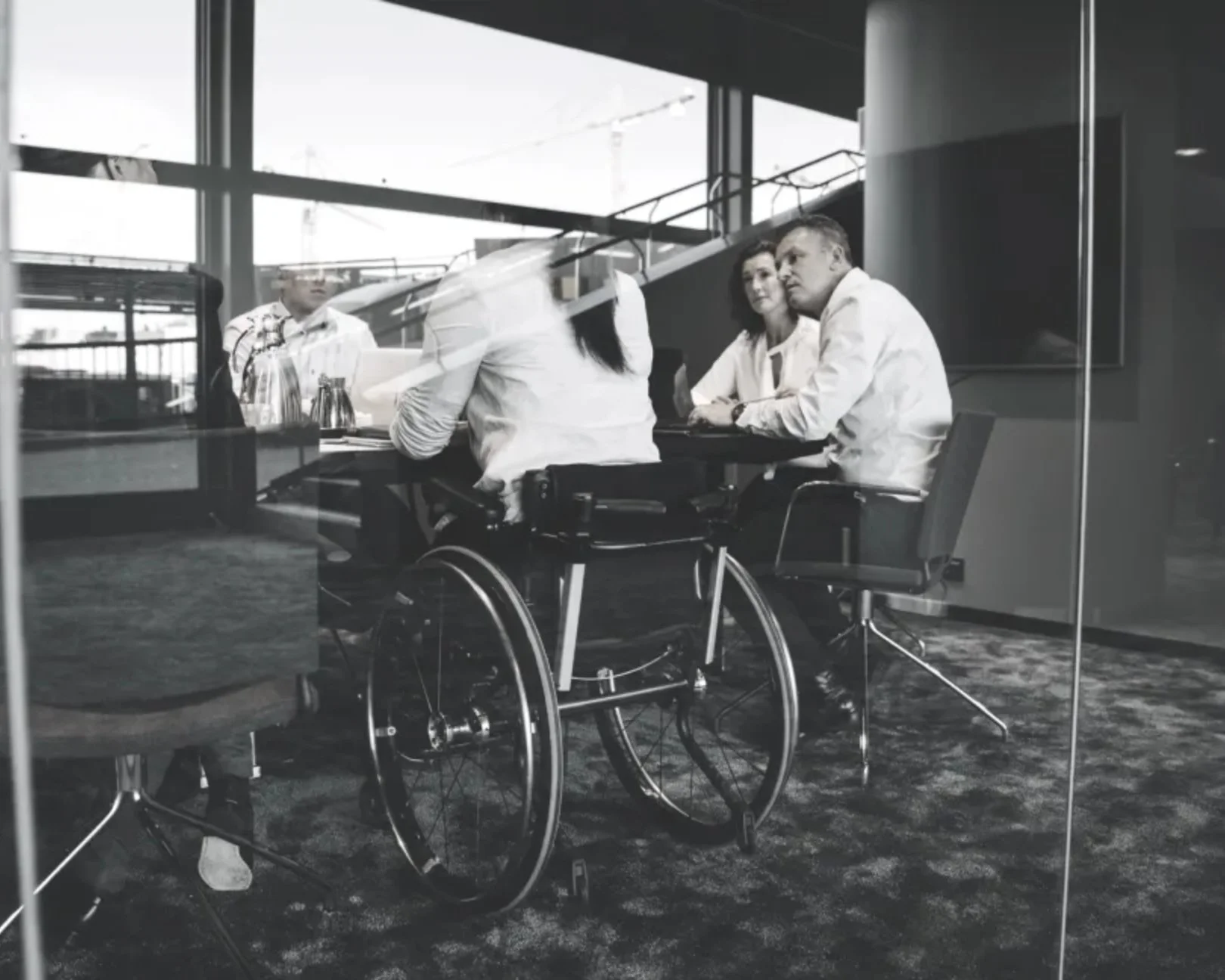
Photo by Maskot/Getty Images
If there’s a single positive word that can describe the ways in which the workforce responded to the pandemic over the course of two years, it’s “accessibility.” With the transition to remote work, COVID-19 indirectly achieved a notable rise in accommodations for the one in four Americans with a disability—whether their non-disabled counterparts realized it or not.
“Back in March 2020, the labor force participation rate for working-age people with disabilities was only 34.9%,” says Philip Kahn-Pauli, the policy and practices director at disability advocacy nonprofit RespectAbility. “The participation rate for working-age people with disabilities is now at 37.8%. This means that people with disabilities are engaging with the labor force in higher numbers than before the pandemic.” As a reference, the rates for non-disabled workers stayed close to 80%.
With office workers’ transition to remote work, many of the barriers tied to office settings—including inaccessible commutes, painful chairs, binding clothing, social cues in break rooms, and even the inherent focus needed to move through a building—were removed. (The same can’t be said for customer-facing roles, where more employees with disabilities are hired, since one million of them lost their jobs nationwide.)
“I never realized how uncomfortable I was in a traditional workplace prior to the pandemic,” says Chelsea Bear, a content creator with cerebral palsy who worked at a public relations agency until September 2021. “Throughout the day I had a lot of meetings that required me to gather my laptop and notebooks and relocate into conference rooms. I was in constant fear that I’d trip or fall.”